


INKBANK Group Inc. · Published September 10, 2026 · Last updated September 10, 2026
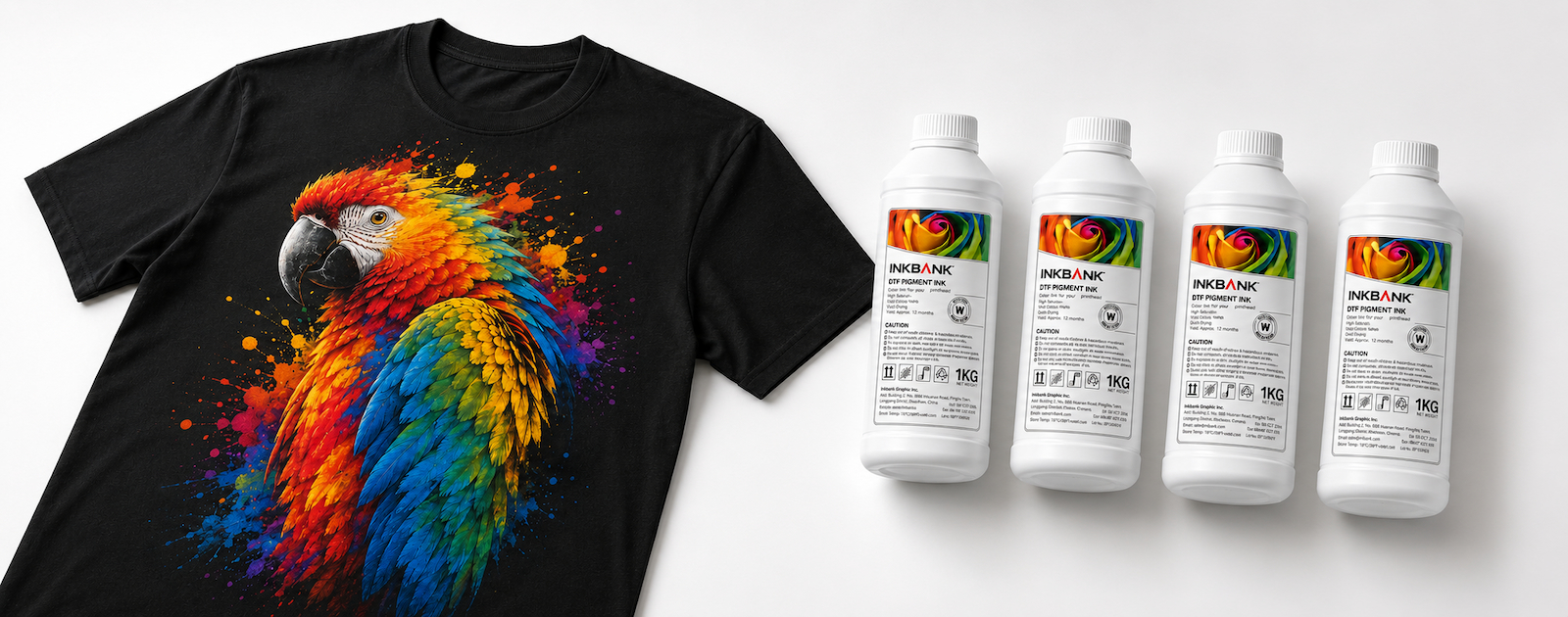
Garment decoration is moving from long runs of one design to shorter, mixed batches of many designs. In this production pattern, DTF profitability depends less on printer speed and more on how many process steps sit between the printed film and the finished garment. INKBANK® 2-in-1 DTF pigment ink reduces those steps by integrating the bonding function into the ink itself: white and color print in one pass, and separate powder application and powder-shaking stages are removed from the workflow.
Why high-mix garment production is changing DTF workflows
In high-mix garment production, orders are smaller, designs change more often, and lead times keep shrinking. E-commerce customization, livestream product launches and brand trial runs now place small orders with compressed timelines, while established garment factories shift from seasonal runs to continuous reorders. Every change creates a new constraint on the production floor.
Traditional DTF depends on several mandatory handling steps after printing: powder application, powder shaking, drying and heat pressing. Each step adds a consumable, a piece of equipment, a cleaning routine and a possible source of rework. The conventional answer to lower profitability has been to buy faster machines. The material-level answer is different: shorten the workflow itself so that fewer variables sit between the design file and the finished garment.
What is 2-in-1 DTF pigment ink?
2-in-1 DTF pigment ink is a water-based pigment ink that carries its bonding chemistry inside the formulation. White and color are printed directly onto PET film in a single pass, so no separate hot-melt powder or powder-shaking stage is required between printing and garment transfer.
| Specification | INKBANK 2-in-1 DTF pigment ink |
|---|---|
| Product type | Water-based DTF pigment ink with integrated bonding chemistry (ink + binder in one system) |
| Standard colors | C / M / Y / K / W |
| Compatible printheads | EPSON I3200 and other mainstream DTF printheads, per the current INKBANK compatibility sheet. See the EPSON I Series printhead lineup. |
| Print process | White + color printed directly onto PET film in a single pass |
| Process steps removed | Separate powder application and powder-shaking stages |
| Garment applications | T-shirts, shirts, hoodies and comparable garments; 100% cotton and cotton-poly blends |
| Validation source | INKBANK 2026 product validation material; actual results depend on machine, film, fabric and transfer settings |
The name "2-in-1" refers to the consolidation of two functions that traditional DTF separates. Instead of printing an image and then adding powder as a separate material, the transfer ink itself provides color and bonding. For a garment decoration line, that change removes the dependency on powder handling equipment and makes the workflow easier to reproduce across designs and fabrics.
How a shorter DTF workflow changes batch economics
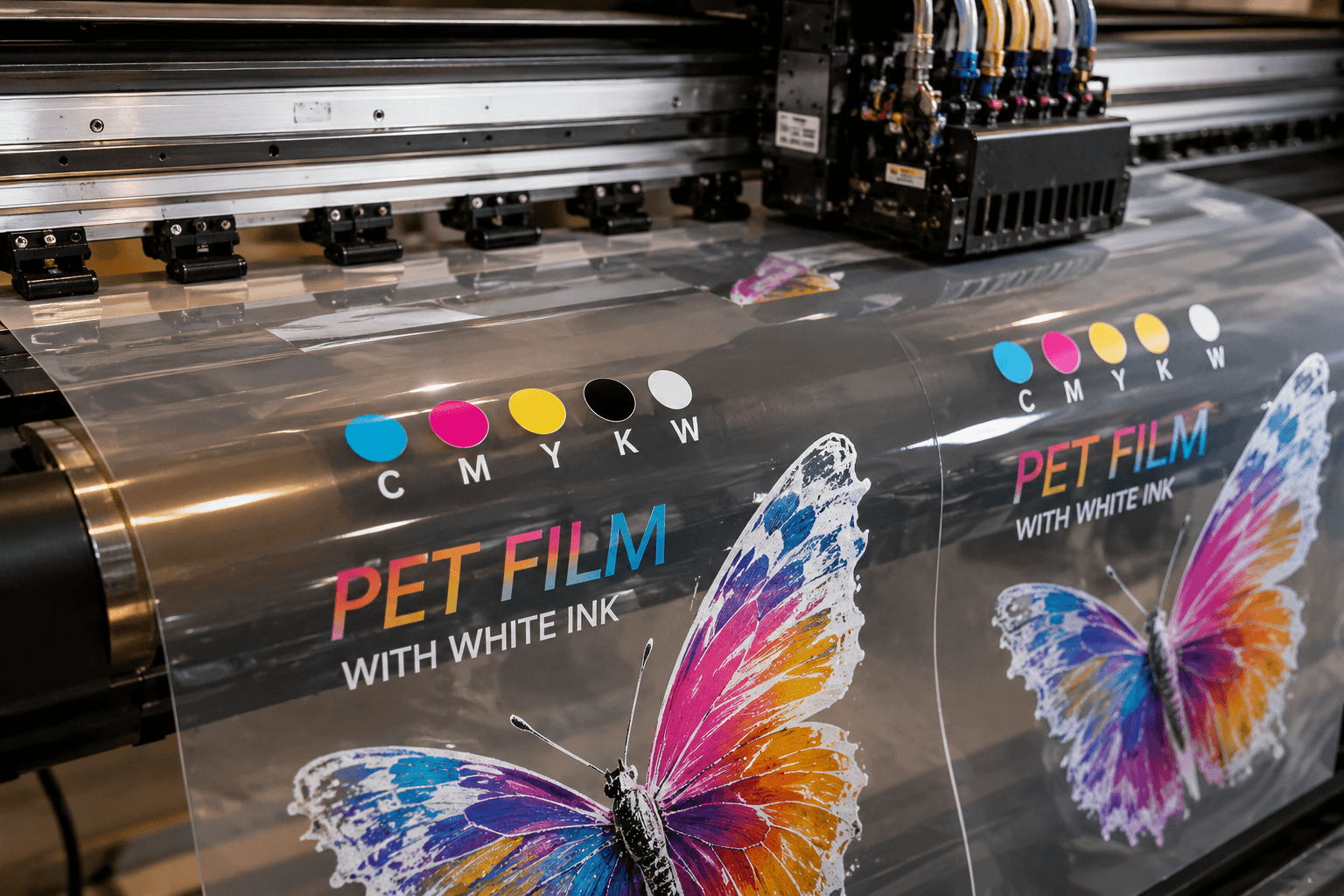
When a DTF line no longer handles separate powder, each batch skips the powder-related waiting, cleaning and rework points. INKBANK's validation material reports approximately 50 percent shorter batch lead time and approximately 20 percent higher output per labor hour compared with a conventional DTF workflow. Those numbers are line-dependent, but they point to the same structural change: fewer stations between printing and garment finishing.
| Conventional DTF workflow | 2-in-1 DTF workflow |
|---|---|
| Prepare artwork | Prepare artwork |
| Print white + color | Print white + color in one pass |
| Apply hot-melt powder | No separate powder application |
| Shake and level powder | No powder-shaking stage |
| Powder handling and cleaning | Fewer handling variables |
| Transfer to garment | Transfer to garment |
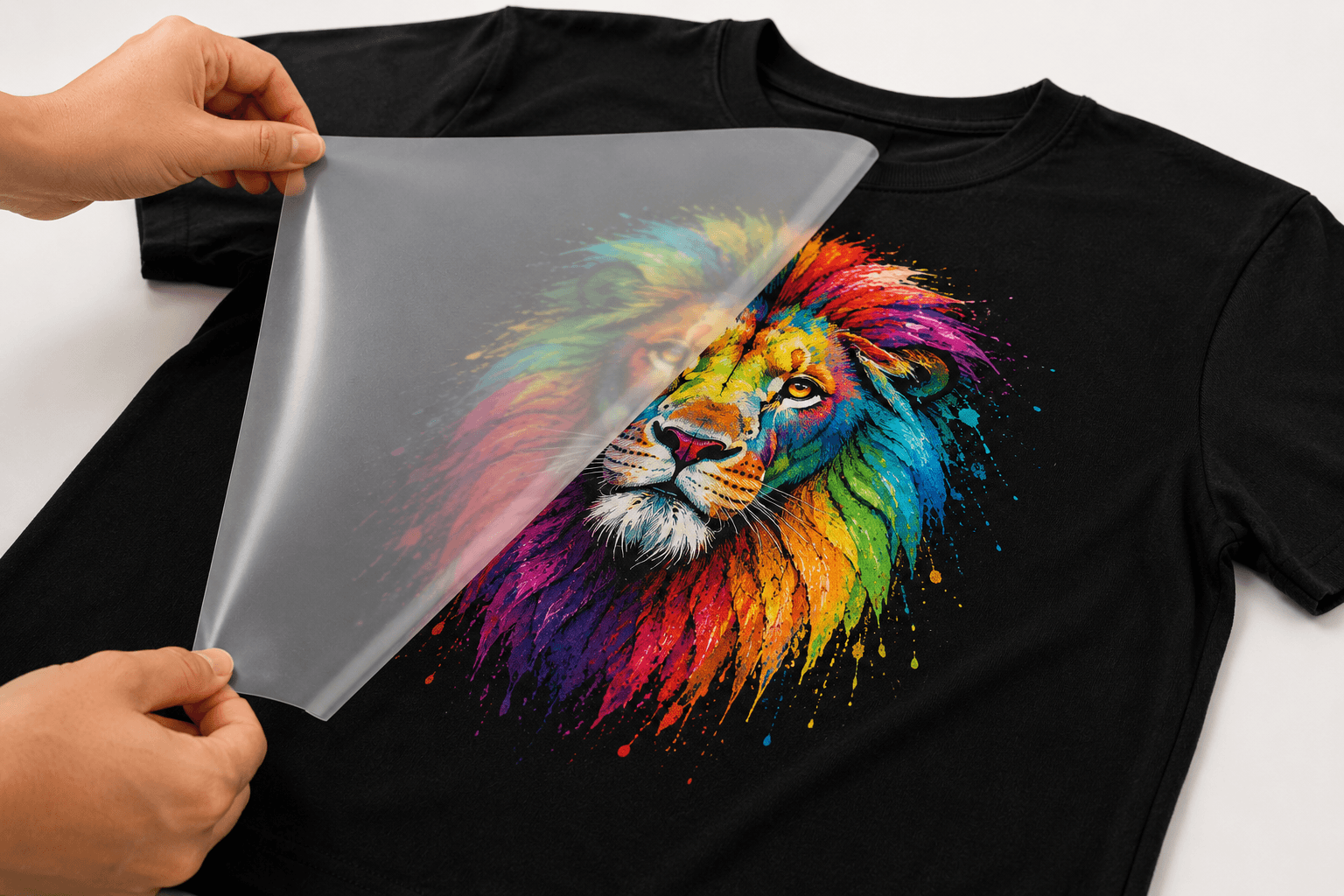
Beyond cycle time, the shorter chain changes how a factory uses labor. Operators who previously managed powder loading, shaking, cleaning and dust control can be assigned to printing, pressing or order changeover. For small-to-medium and high-mix batches, the benefit is not only lower consumable cost but also faster response to reorders that arrive with short notice.
What a thinner print layer means for garment feel
Because a 2-in-1 DTF print has no physical powder layer between the transfer and the garment, the finished print is thinner, softer and less stiff. For apparel sold through e-commerce and retail, hand feel is part of product quality: a print that feels rubbery can reduce the perceived value of the garment even when color and wash performance are correct.
INKBANK formulates the 2-in-1 system so that the white and color layers remain supple after transfer, with breathability preserved for daily wear. The product target is not simply a thinner print; it is a print that keeps the durability and opacity expected from DTF while avoiding the thick, board-like sensation associated with powder-heavy transfers.
Cleaner production and EU compliance
Because no hot-melt powder is applied on the shop floor, dust is reduced at the source instead of being controlled after release. That distinction matters for factories with tightening air-quality requirements and for exporters that must document environmental performance to brand customers.
The 2-in-1 DTF pigment ink is covered by INKBANK's environmental product certification program and complies with EU REACH requirements for the relevant product line. INKBANK supplies current compliance documentation and test data for the exact product and destination market on request.
One workflow, three operating models
INKBANK positions the 2-in-1 DTF workflow for three production models with different order patterns. The same ink supports them because the material removes the powder-dependent bottleneck that makes high-mix scheduling difficult.
Garment manufacturers scaling high-mix orders
Factories that accept seasonal, branded and contract orders need to move between designs without losing a shift to setup. A shorter DTF chain gives production planning more flexibility: smaller batches can be completed with higher labor-hour output, and yield is easier to keep stable because there are fewer process variables to control.
E-commerce and agile garment supply chains
Online customization, print-on-demand and livestream commerce run on short launch cycles and rapid replenishment. A 2-in-1 workflow suits this model because it removes the powder line as a fixed sequence in every order; design-to-transfer runs through a shorter chain, which makes rush orders and trial batches more predictable.
OEM and export factories
Export manufacturers are increasingly evaluated on chemical management, worker safety and environmental audits. Eliminating separate powder handling reduces dust and simplifies the documented process. Combined with EU-compliant formulation and INKBANK's environmental credentials, the workflow gives OEM and export customers a cleaner production story to present to apparel brands.
How INKBANK validates a 2-in-1 ink for production
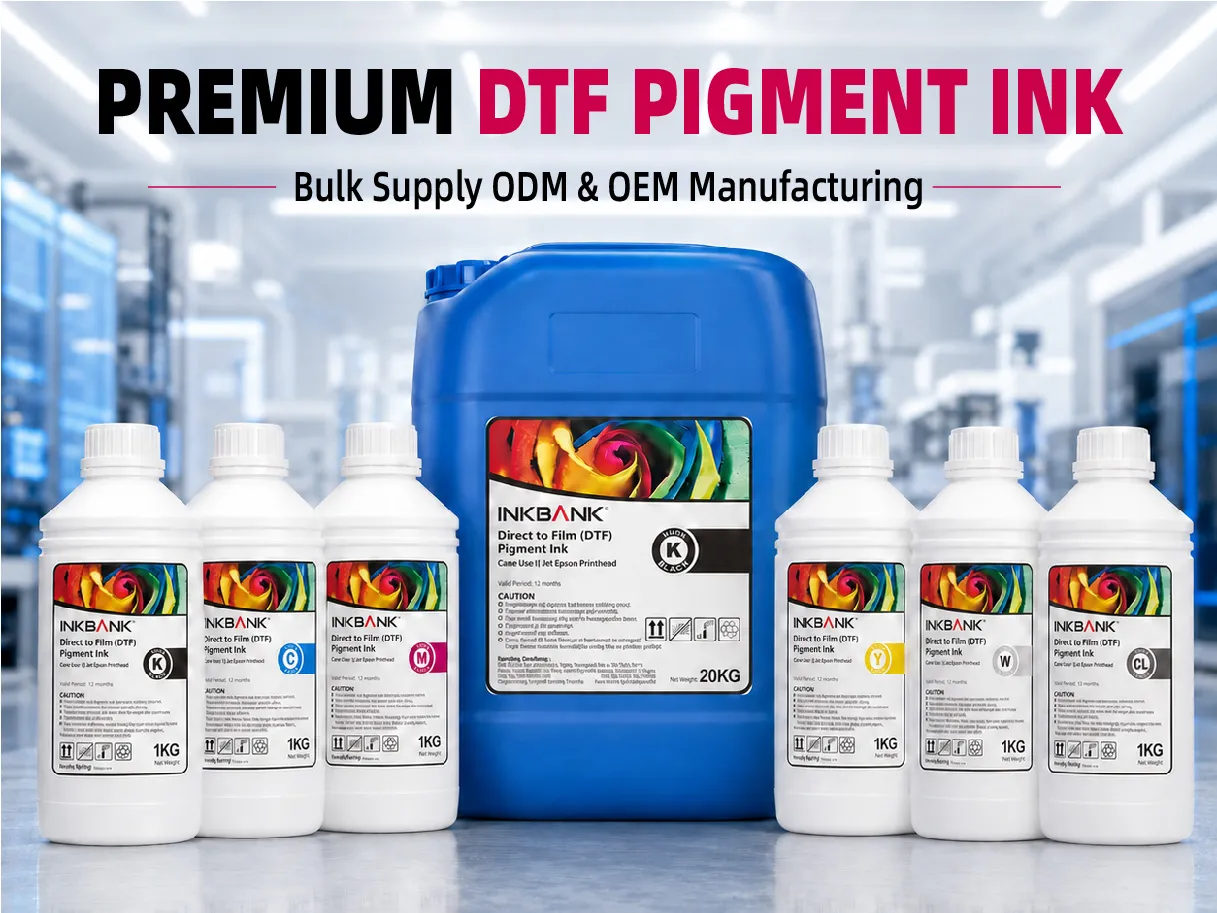
Production readiness for a 2-in-1 ink is decided by four properties: chemical stability, smooth ink flow, printhead compatibility and finished fastness. INKBANK validates the 2-in-1 DTF pigment ink against these properties before recommending it for mass production, rather than treating a successful test swatch as sufficient evidence.
The development program sits inside INKBANK's broader R&D and manufacturing system, which includes dedicated ink research laboratories, automated production lines and international environmental certifications across the company's digital textile product portfolio. For DTF buyers, the relevant evidence is product-specific: stability during continuous printing, behavior after short stops, compatibility with the machine's existing printhead platform, and fastness after the transfer process.
How to qualify 2-in-1 DTF pigment ink for a production line
Factories evaluating the 2-in-1 workflow should run a representative pilot instead of comparing only marketing materials. The qualification should cover the machine, the transfer film, the actual garment mix and the quality evidence required by the factory's customers.
| Qualification area | What to confirm |
|---|---|
| Printhead compatibility | EPSON I3200 and other head families listed in the current compatibility sheet, including CMYK + white channel configuration |
| Transfer film | Compatibility with the factory's PET film and the recommended transfer window |
| Garment mix | T-shirts, shirts and hoodies in 100% cotton and cotton-poly blends used in current production |
| Quality evidence | Stability, flow, opacity, fastness and batch consistency data from INKBANK product validation |
| Compliance documents | Current environmental certificates and EU REACH statement for the exact product and destination market |
| Pilot batch | A representative production batch, including multiple designs and at least one customer order pattern |
Frequently Asked Questions
What is 2-in-1 DTF pigment ink?
2-in-1 DTF pigment ink combines color and bonding chemistry in one inkjet system. CMYK plus white are printed directly onto PET film in one pass, so separate powder application and powder-shaking stages are removed from the workflow.
Does 2-in-1 DTF pigment ink require a different printer?
No separate powder equipment is needed. INKBANK lists EPSON I3200 among compatible printheads and maintains a current compatibility sheet for other mainstream DTF printheads; each factory should confirm settings for its exact machine.
What fabrics can be decorated with 2-in-1 DTF pigment ink?
T-shirts, shirts, hoodies and comparable garments in 100% cotton and cotton-poly blends are the stated application range for the ink. Final results should be confirmed with the factory's film, fabric and transfer settings.
What production benefits does INKBANK report for 2-in-1 DTF?
INKBANK's product validation material reports approximately 50 percent shorter batch lead time and approximately 20 percent higher output per labor hour compared with a conventional DTF workflow, together with removal of powder consumables and equipment.
Is 2-in-1 DTF pigment ink compliant with EU requirements?
The ink is covered by INKBANK's environmental product certification program and complies with EU REACH for the relevant product line. INKBANK provides current compliance documentation for the exact product and destination market on request.
Related Resources
DTF Pigment Ink Product Page - color options, printhead compatibility and technical data
What Is DTF Ink and How Does It Work? - process overview and applications
DTF White Ink Complete Guide - opacity, troubleshooting and technical specs
DTF vs DTG vs Sublimation Comparison - choosing a digital textile printing method
INKBANK Certifications - environmental and quality credentials
Contact INKBANK for Samples - product samples and technical setup
